December 26, 2025
Receiving a traffic ticket can be stressful and overwhelming, leaving many drivers unsure of what to do next. However, understanding the proper steps can save you time, money, and unnecessary anxiety. Traffic tickets affect everyone, whether it’s a first-time offense or you’ve received multiple violations, and handling them responsibly can prevent further complications. From knowing your legal rights to evaluating your options, taking informed actions is the best way to protect yourself and your driving record.
This guide provides a step-by-step approach for navigating traffic tickets effectively. You’ll learn how to manage the initial stop, review your ticket, decide whether to contest it, prepare for court if necessary, handle payments, and use the experience to improve future driving. By following these steps, you can reduce stress, avoid mistakes, and make confident decisions. Partnering with experienced local traffic lawyers can further improve your chances of achieving a favorable outcome.
1. Stay Calm and Respond Appropriately
The first step after receiving a traffic ticket is to manage your emotions and remain composed. Stress, frustration, or panic can make the situation worse and may lead to interactions that are less favorable with law enforcement. Taking a few deep breaths helps you regain focus and ensures that you can respond professionally. Remaining calm allows you to think clearly, which is especially important if you are considering contesting the ticket.
After regaining composure, focus on safety and cooperation during the traffic stop. Find a safe location to pull over and turn off your engine, keeping your hands visible at all times. Being courteous and attentive demonstrates respect for the officer and can positively influence how they perceive you. Finally, take a moment to reflect on the events that led to the stop and listen carefully to the officer’s instructions. Understanding the reason for the ticket and responding politely sets a positive tone for all subsequent interactions.
2. Review the Ticket Thoroughly
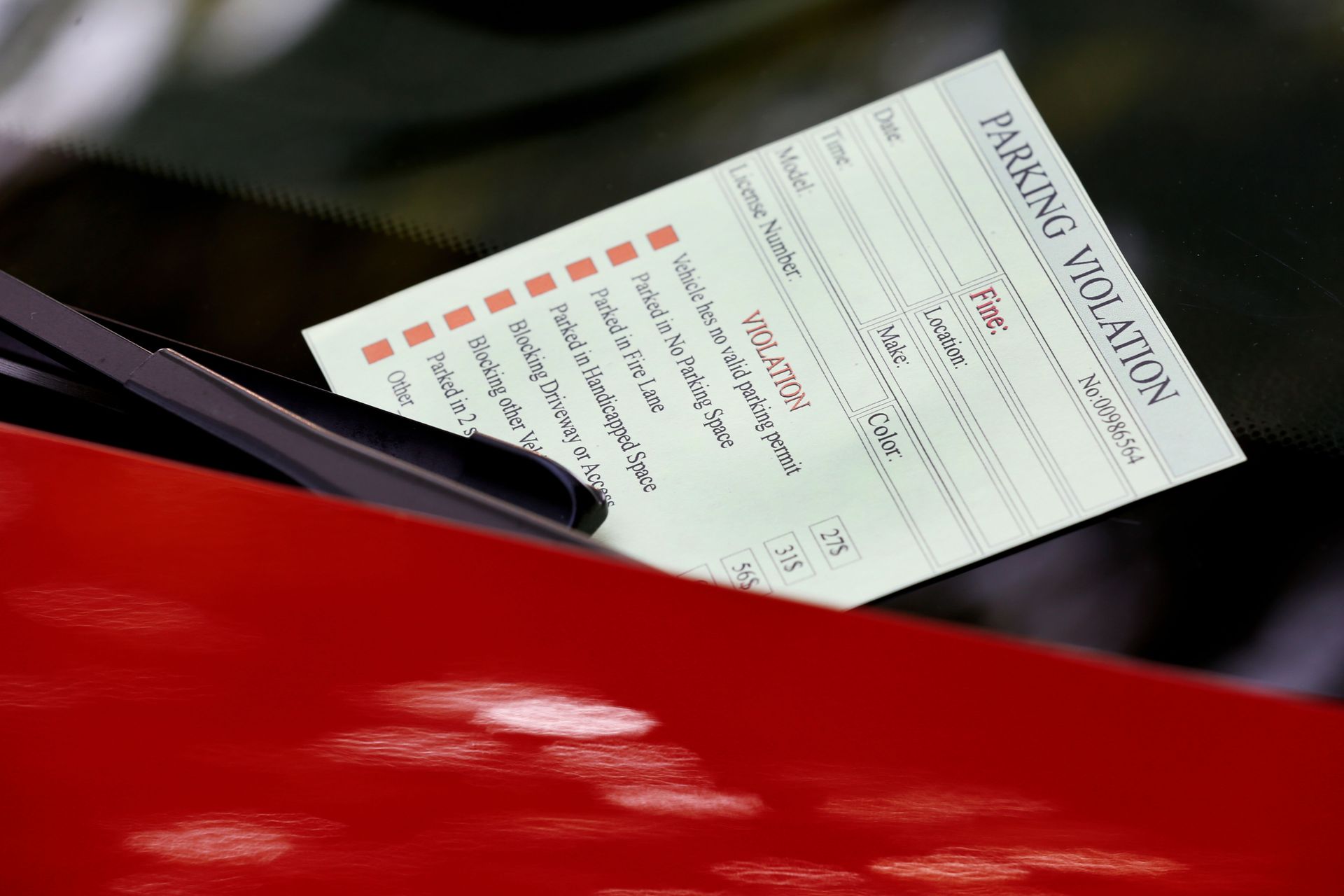
Once you have the ticket in hand, carefully review every detail to ensure accuracy. Check for errors in your personal information, the officer’s details, and the description of the alleged violation. According to the National Highway Traffic Safety Administration, approximately 41 million traffic tickets are issued annually in the U.S., so mistakes are not uncommon. Spotting even small errors can provide grounds to challenge the ticket and should not be overlooked.
In addition to verifying accuracy, examine the date, time, and location of the alleged offense, as well as the specific violation. Understanding the charge fully will help you determine whether it is worth contesting. Be sure to note the fine amount and any deadlines for payment. Properly reviewing your ticket at this stage ensures you have all the information necessary to make informed decisions and plan your next steps effectively.
3. Decide Whether to Contest the Ticket
Deciding whether to contest a traffic ticket requires careful evaluation of your case. Begin by gathering evidence, including photos, GPS data, or witness statements that might support your position. The strength and availability of evidence can greatly influence your decision to challenge the ticket. When the evidence against you is weak or contains inaccuracies, contesting the ticket could be a practical option.
Consider the consequences of simply paying the fine. Paying the ticket usually means admitting guilt, which can impact your driving record, increase insurance premiums, and even result in accumulated points on your license. Understanding your legal rights is essential, as you may be entitled to contest or appeal the ticket. Consulting with local traffic lawyers can provide valuable guidance, helping you weigh the pros and cons of going to court and ensuring your rights are protected.
4. Prepare for Court Effectively
If you decide to contest the ticket, preparation is critical for a successful outcome. Start by collecting all relevant evidence, including photographs, videos, and witness statements that support your case. Organizing your documentation ensures that all materials are easily accessible during court proceedings. A strong, well-prepared case demonstrates professionalism and can positively influence the judge’s perception.
Next, develop a clear and persuasive argument to present in court. Anticipate the prosecution’s points and prepare counterarguments to address them effectively. Practice your court presentation in advance to refine your statements, and pay attention to your demeanor and attire, which reflect your respect for the judicial process. Working with local traffic lawyers during this stage can help you craft a compelling argument and navigate procedural requirements more effectively, increasing your likelihood of a favorable result.
5. Pay the Fine If Necessary
Not all tickets require court appearances, and sometimes paying the fine is the most practical option. Make sure you understand the payment methods accepted in your jurisdiction, whether online, by mail, or in person. Meeting the payment deadline is critical to avoid additional penalties, and always retain proof of payment, such as a receipt or confirmation email. Proper documentation helps protect you against administrative errors and future disputes.
It is also important to understand how payment may affect your driving record. Even without a court appearance, paying the fine may result in points being added to your license, which can impact insurance premiums and license status. If the fine poses a financial burden, investigate payment assistance programs or installment options available in some jurisdictions. Knowing all of your options and acting responsibly ensures compliance with the law while minimizing the long-term consequences of a ticket.
6. Learn and Adapt from the Experience
Every traffic ticket provides an opportunity to improve your driving habits and reduce future violations. Reflect on the circumstances that led to the ticket, noting areas where you could adjust your behavior. Adopting safer driving practices, such as observing speed limits, signaling properly, and staying attentive, enhances both your legal safety and the safety of others on the road. Taking a proactive approach helps prevent repeated offenses and fosters responsible driving habits.
Consider attending a traffic school course if eligible, as this can improve your understanding of traffic laws and sometimes reduce penalties or points on your record. Sharing your experience with friends and family can also raise awareness and encourage safe driving practices within your community. Additionally, review your insurance coverage to ensure your rates remain reasonable following a ticket. By learning from the experience and making informed changes, you can minimize the long-term impact of traffic violations and become a more conscientious driver.
Handling a traffic ticket doesn’t have to be intimidating if you approach it systematically. Staying calm, reviewing the ticket carefully, evaluating your options, preparing for court, and learning from the experience all contribute to a better outcome. Traffic tickets are common, with approximately 41 million issued annually in the U.S., but informed and proactive actions can reduce their impact on your driving record and finances. Consulting with local traffic lawyers can provide the expertise and guidance necessary to navigate the process effectively.
By following these steps, drivers can manage traffic violations responsibly and maintain confidence on the road. Whether you choose to contest the ticket, pay the fine, or adopt safer habits, taking thoughtful action is key. For expert assistance and personalized legal guidance, contact Michael C. Greenberg, Esq. the Traffic Lawyer to protect your rights and achieve the best possible outcome. Taking prompt action and staying informed ensures that a traffic ticket doesn’t unnecessarily disrupt your life or driving record.