April 29, 2026
Distracted driving is a pressing issue with severe societal implications, often resulting in accidents and increased road hazards. Pennsylvania's approach to addressing this growing problem involves specific legal measures aiming to deter behaviors that divert attention from driving. By exploring these provisions and their applications, drivers can better understand their responsibilities and the severity of charges they may face when accused under these statutes.
The subsequent sections of this guide delve deeper into Pennsylvania's distracted driving laws and offer actionable advice for those grappling with related charges. From the initial citation to potential court appearances, the information provided herein is designed to ensure that drivers are neither overwhelmed nor unprepared for the proceedings that follow an accusation of distracted driving.
Understanding Pennsylvania's Distracted Driving Law
Explaining the Law Overview
Exploring Pennsylvania's distracted driving laws reveals an evolution aimed at tackling the technological advancements that have contributed to various forms of distracted driving. Initially focused on basic driving distractions, the laws have expanded to include more specific activities such as texting and using handheld devices. This progressive approach underscores the state's commitment to reducing the frequency of accidents caused by inattention, a leading contributor to roadway incidents.
The evolution of these laws reflects a growing awareness of the dangers associated with distracted driving. By broadening the scope to encompass newer forms of technology-related distractions, Pennsylvania seeks to strengthen its legal framework to prevent accidents and encourage safer driving habits. A traffic lawyer often evaluates how these evolving standards may apply to specific citations.
Defining Key Terms
The term "distracted driving" in Pennsylvania encompasses a variety of actions that can divert a driver's attention away from the primary task of driving. These distractions are generally categorized as visual, manual, or cognitive in nature. Understanding these categories is important when evaluating how a citation may be interpreted in court.
Pennsylvania's law specifically includes restrictions on the use of handheld electronic devices while driving, covering activities such as texting, calling, or engaging with certain digital functions. Understanding these distinctions helps drivers stay within legal boundaries and avoid violations.
According to the National Highway Traffic Safety Administration, approximately 41 million traffic tickets are issued annually in the United States. This expansion reflects the state's broader effort to address evolving forms of driver distraction. A traffic lawyer may reference these definitions when reviewing the details of a citation.
Applying Penalties for Violations
Violation of Pennsylvania's distracted driving laws can result in fines and potential points on a driver's record. These penalties may also contribute to increased insurance costs and other long-term consequences affecting driving privileges. A traffic lawyer often helps assess how these penalties may apply based on the specific circumstances of a case.
Even a single violation can have lasting effects, making it important for drivers to understand the seriousness of these charges and the importance of addressing them properly.
Reviewing Legal Exceptions and Defenses
While distracted driving laws are strict, certain factual circumstances may be relevant in building a defense. These can include situations where the alleged distraction did not meet the legal definition or where the driver's actions are being misinterpreted.
Each case depends heavily on its specific facts, and legal representation can help evaluate whether any valid defenses may apply under Pennsylvania traffic law.
Following the Steps After a Citation
Reviewing the Citation
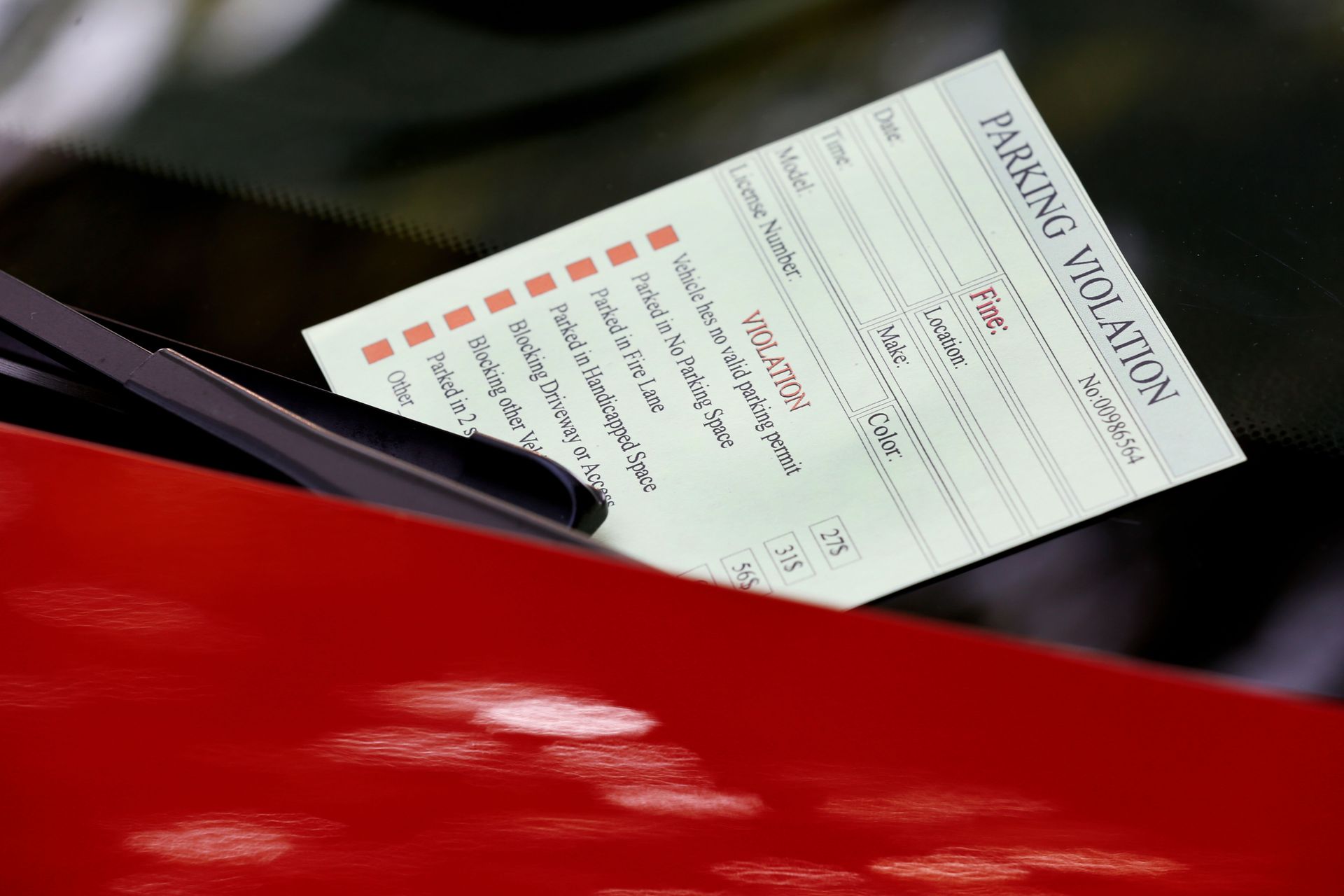
Upon receiving a citation, it is important to carefully review all details, including the alleged violation, location, and any officer notes. This initial step helps establish a clear understanding of the charge. A traffic lawyer can help identify issues that may not be immediately obvious in the citation details.
Identifying any unclear or incomplete information may also be useful when discussing the case with legal counsel. Careful review at this stage can influence how the case is approached moving forward.
Gathering Evidence
Collecting relevant information can help clarify the circumstances of the citation. This may include phone records, photographs, or any documentation related to the incident. These materials can help establish context that may not be reflected in the citation alone.
Witness statements from passengers or others who observed the situation may also help provide additional context when evaluating the case. A traffic lawyer may help determine which pieces of evidence are most relevant to a defense strategy.
Seeking Legal Counsel
Consulting a traffic defense attorney can help drivers better understand their options and potential outcomes. A traffic lawyer experienced in traffic matters can review the citation and explain how Pennsylvania traffic law may apply to the situation.
Early legal consultation may also help ensure that important deadlines and procedural requirements are properly addressed. This step can significantly influence how effectively a case is handled.
Deciding Whether to Contest
Drivers may choose to contest a citation based on the available evidence and potential consequences. This decision often depends on the strength of the case and the possible impact on driving records or insurance.
Legal guidance can help clarify whether contesting the citation is the most appropriate course of action. A traffic lawyer can provide insight into potential outcomes before a decision is made.
Building a Legal Defense Strategy
Analyzing the Officer's Report
Reviewing the officer's report is an important step in understanding the basis of the citation. Details such as timing, location, and observed behavior should be carefully examined for accuracy. A traffic lawyer often evaluates whether these details support the charge as written.
Any inconsistencies or unclear descriptions may be relevant when assessing the strength of the case. These issues can influence how a defense is structured.
Identifying Witnesses and Testimonies
Witness statements may help provide additional context regarding the events in question. These accounts can support or clarify the driver's version of events.
Testimony from individuals present at the time may contribute to a more complete understanding of the situation. A traffic lawyer may determine which testimonies are most useful in court.
Strengthening Evidence in Traffic Defense Cases
Evidence can play an important role in evaluating traffic citations. Materials such as records, documentation, or recordings may help provide clarity regarding the circumstances of the stop or alleged violation.
When available, supporting information can assist in building a more complete picture of what occurred and may help address inconsistencies in the citation.
Legal counsel can assist in determining which types of evidence are most relevant and how they may be used effectively in a defense strategy.
Executing a Courtroom Defense Strategy
Understanding Court Procedures
Traffic court proceedings in Pennsylvania follow structured steps, including arraignment, pre-trial discussions, and hearings. Understanding this process helps drivers prepare for each stage of their case.
Each phase may present opportunities to present evidence, negotiate outcomes, or clarify details of the citation. A traffic lawyer can help guide expectations through each stage of the process.
Presenting Your Case
Respectful communication and preparation contribute to a more effective presentation in court. When presenting a defense, clear organization and factual consistency are important. Supporting documentation and a structured explanation of events can help ensure the court has a complete understanding of the case.
A traffic lawyer may assist in shaping how information is presented to ensure clarity and relevance during proceedings.
Traffic-related charges, including distracted driving citations, can carry serious consequences if not addressed properly. Drivers dealing with these matters often benefit from legal support to help navigate the court process, review the details of their case, and understand the options available under Pennsylvania traffic law. To learn more about assistance with traffic tickets, license protection, and related defense matters, you can reach out to Michael C. Greenberg, Esq. The Traffic Lawyer.