September 16, 2026
Drivers have always played an important role in observing what happens on the road, but growing public distrust of institutions, enforcement practices, and official accounts has changed how many people think about what they see. Smartphones, dashboard cameras, and social media have made it easier than ever to document traffic stops, collisions, aggressive driving, and other roadside events. As a result, ordinary motorists are increasingly becoming witnesses who may hold video, photographs, or firsthand observations that later become relevant to a dispute. For someone facing a citation or questioning what happened during a traffic stop, speaking with a local traffic lawyer may help clarify how witness accounts and other forms of evidence can affect the situation.
Recording More Roadside Encounters
One of the clearest changes in modern driving is the growing presence of cameras. Many vehicles now have dashboard cameras running whenever the engine is on, while nearly every driver or passenger carries a phone capable of recording high-quality video. These tools can capture the moments before a traffic stop, the position of vehicles at an intersection, weather conditions, road signs, lane markings, and interactions that occur after a driver is pulled over. When questions later arise, a recording may provide details that would otherwise depend entirely on memory.
Drivers are also more likely to record events because they know that different people may remember the same incident differently. Video cannot answer every question, but it can preserve timing, movement, and surroundings that might become important later. A local traffic lawyer may review available footage alongside the citation, police report, and other evidence to determine whether the recording supports or contradicts the allegations. The increasing availability of this material has made everyday motorists more important participants in documenting what occurs on public roads.
Questioning Official Accounts More Closely
Public skepticism has also changed how some drivers respond to traffic enforcement. Instead of assuming that every written account is complete or perfectly accurate, motorists may pay closer attention to what they witnessed before, during, and after an incident. They may note whether a traffic signal was visible, whether another vehicle blocked an officer's view, whether construction altered a lane pattern, or whether road conditions affected driving behavior. These observations can become significant when the circumstances surrounding a citation are later disputed.
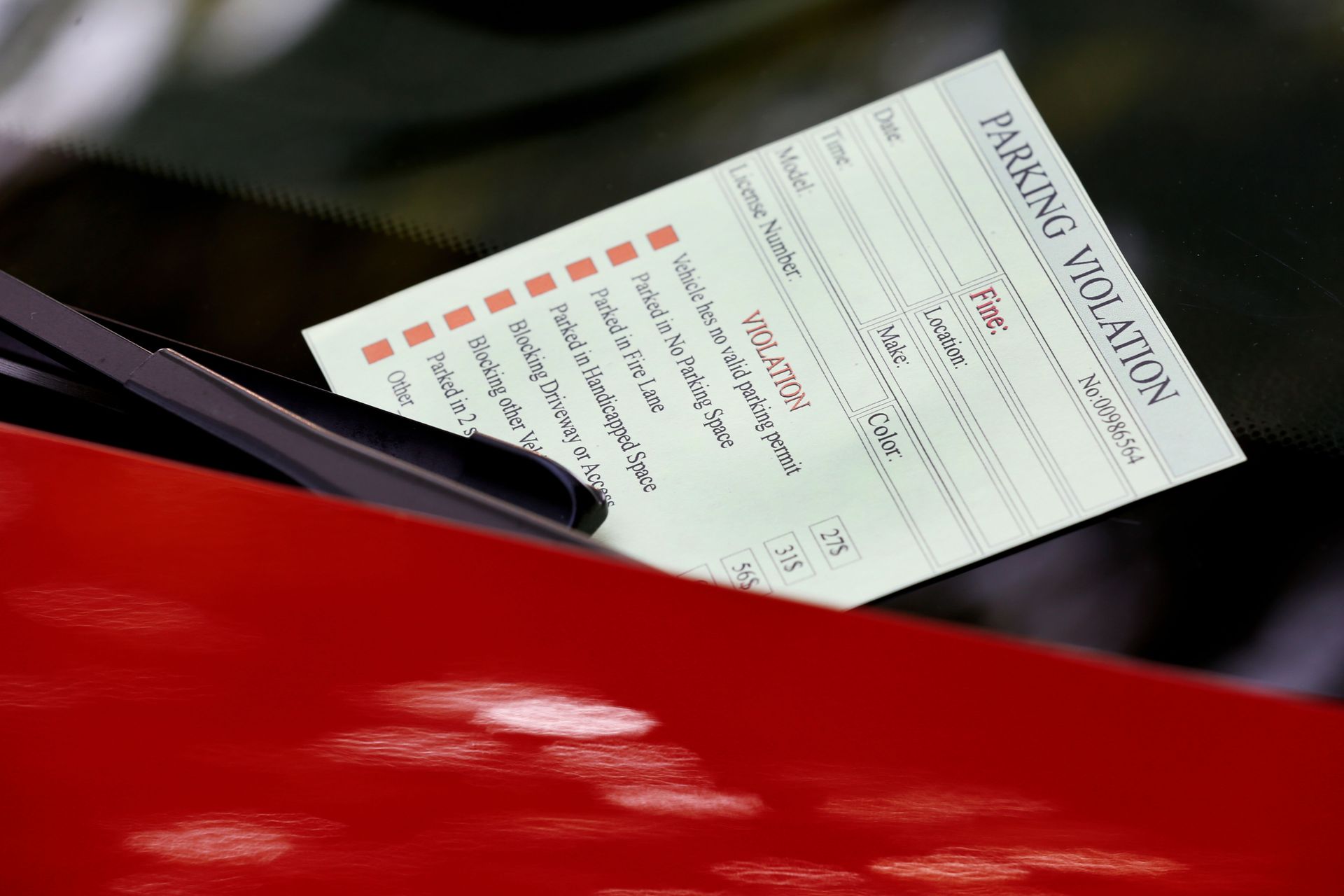
The large number of traffic citations issued each year also means that many drivers will eventually have firsthand experience with the enforcement process. According to the National Highway Traffic Safety Administration, about 41 million traffic tickets are issued each year in the U.S. Given the frequency of these citations, concerns about evidence, accuracy, and how events are interpreted can arise. When a driver believes important context has been overlooked, a local traffic lawyer can help examine the available information and explain which facts may matter in responding to the citation.
Preserving Evidence Before It Disappears
Witness information can lose value quickly if it is not preserved. Dashboard camera footage may be overwritten, phone recordings may be deleted, and people who saw an incident may become difficult to locate. Even simple details such as the time of day, traffic volume, weather, visibility, or temporary signage can be harder to reconstruct weeks later. Drivers who recognize that they may have witnessed something important are increasingly likely to save recordings, take photographs, or write down what they remember while the event is still fresh.
Preserving evidence does not necessarily mean that every piece of information will affect the outcome of a traffic matter. However, it gives the parties involved more material to evaluate. Photographs showing obstructed signage, video showing vehicle positioning, or a witness who observed the sequence of events may help establish context that is missing from a citation alone. A local traffic lawyer can assess whether preserved evidence is relevant and how it may fit with applicable traffic rules, court procedures, and the specific allegations involved.
Sharing Information Through Digital Platforms
Social media and neighborhood platforms have also changed how quickly information about road incidents can spread. Drivers may post about traffic stops, collisions, road closures, unusual enforcement activity, or dangerous intersections within minutes. These posts can sometimes lead other witnesses to come forward with additional video or observations. Someone who did not know their dashboard camera captured a relevant event may realize its importance after seeing a public request for information from another driver.
Digital sharing can be useful, but it also creates complications. Online posts may be incomplete, emotionally charged, or based on assumptions rather than firsthand knowledge. Videos may be edited, lack context, or show only a portion of what happened. For that reason, online discussion should not automatically be treated as reliable evidence. A local traffic lawyer may distinguish between useful firsthand material and commentary that does little to establish what occurred. The broader lesson is that digital communication has made it easier for witnesses to connect, but careful evaluation remains necessary.
Challenging Traffic Allegations With Context
Traffic citations are often based on what an officer observed, measured, or interpreted during a relatively short period. Witness evidence may sometimes add context to that account. For example, another driver may have seen a vehicle change lanes to avoid debris, noticed that a sign was obscured, or observed another motorist's actions immediately before a stop. These details do not automatically invalidate a citation, but they can help create a fuller picture of the circumstances surrounding the alleged violation.
Drivers who want to contest a ticket may benefit from gathering information rather than relying solely on their own recollection. A witness statement, photograph, or recording can sometimes provide independent support for a driver's version of events. A local traffic lawyer can review that information and determine whether it is likely to be helpful, whether additional evidence should be requested, and how the facts relate to the charge. This type of review can be especially important when two accounts of the same incident differ significantly.
Understanding the Limits of Witness Evidence
Although more drivers are documenting what they see, witness evidence is not automatically accurate or decisive. People can misjudge speed, distance, timing, or direction, particularly during fast-moving events. Camera footage can also create misleading impressions depending on the angle, lighting, lens distortion, or where the recording begins and ends. A witness may sincerely believe one version of events while missing details that occurred outside their field of view. For these reasons, testimony and recordings usually need to be considered alongside other available evidence.
Understanding these limitations can help drivers approach traffic disputes more carefully. Strong evidence tends to be specific, preserved in its original form, and supported by surrounding facts rather than assumptions. An experienced local traffic lawyer can help evaluate whether a witness is likely to be useful and whether video or photographic evidence actually supports the position being taken. Public distrust may motivate more people to record and question what they see, but effective use of that information still depends on careful analysis and proper legal procedure.
As cameras, smartphones, and online communication become a routine part of driving, motorists are increasingly able to document events that once would have depended almost entirely on official reports and personal memory. Public distrust has encouraged many drivers to pay closer attention to traffic stops, road conditions, collisions, and enforcement activity, turning ordinary people into potential witnesses whenever they are behind the wheel. Their recordings and observations can provide useful context, but they must still be evaluated for accuracy, relevance, and completeness. When a citation is disputed or important evidence may exist, working with a local traffic lawyer can help drivers understand how that material may affect their case. For guidance regarding a traffic matter, contact Michael C. Greenberg, Esq. The Traffic Lawyer.